
Morning Meditation for Kids
Mornings can hold so much possibility for a child.
They can also feel rushed, noisy, uncertain, or overwhelming. From getting ready for school to thinking about assignments, friendships, new experiences, and everything the day may bring, children can carry a lot into the morning before the day has truly begun.
A few intentional minutes of breathing and mindfulness can create a different kind of beginning.
A morning meditation for kids offers children a gentle opportunity to slow down, notice their breath, connect with the present moment, and begin the day with greater calm and confidence.
At Mindful V, we believe every child deserves access to simple tools that nurture emotional wellbeing, resilience, self-awareness, and inner confidence. A mindful morning is one meaningful way to begin.
Why Morning Mindfulness Matters for Children
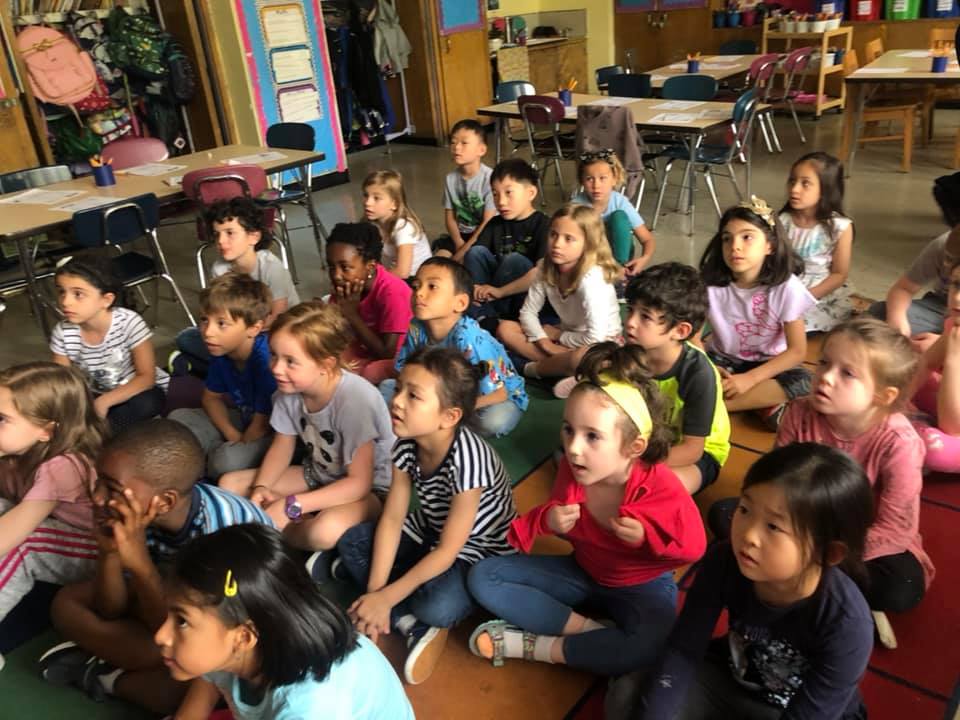
Children do not always have the words to explain what they are feeling.
A child may wake up worried about a test, nervous about school, frustrated by a difficult morning, or simply carrying emotions they do not yet know how to name. Sometimes those feelings appear as irritability, resistance, restlessness, silence, or difficulty focusing.
Mindfulness creates space to notice what is happening without immediately reacting to it.
Through simple practices such as slow breathing, body awareness, and guided attention, children can practice returning to the present moment. Over time, these moments can become part of a larger emotional toolkit they can draw from when life feels busy or challenging.
The goal is not to make every uncomfortable feeling disappear. Children will still experience worry, disappointment, frustration, and uncertainty. Mindfulness can help them develop a different relationship with those moments: one rooted in awareness, patience, and the understanding that they can return to their breath and begin again.
A Calm Morning Does Not Have to Be a Perfect Morning
Mindfulness is not about creating a perfectly peaceful household.
Some mornings will still include missing shoes, unfinished homework, sleepy children, busy parents, and unexpected changes. A mindful morning can happen within real life.
It may begin with one deep breath.
It may be a few quiet minutes before breakfast.
It may happen in the car before school, in a classroom before lessons begin, or at home while a child is still sitting comfortably in bed.
What matters is giving children an opportunity to reconnect with themselves before moving into the demands of the day.
Begin with the Breath
One of the simplest ways to introduce morning mindfulness is through breathing.
In Mindful V’s guided morning meditation, children are invited to become comfortable, take a deep breath, and exhale. They are gently encouraged to notice the air coming into and leaving the body.
This simple act shifts attention toward what is happening right now.
A child does not need to “clear the mind” or stop every thought. Thoughts may come and go. The practice is simply to notice and return to breathing.
For children, this can be a powerful lesson:
I can come back to this moment.
That message can become especially meaningful during moments of worry, frustration, or emotional overwhelm.
Helping Children Feel Calm, Safe, and Grounded
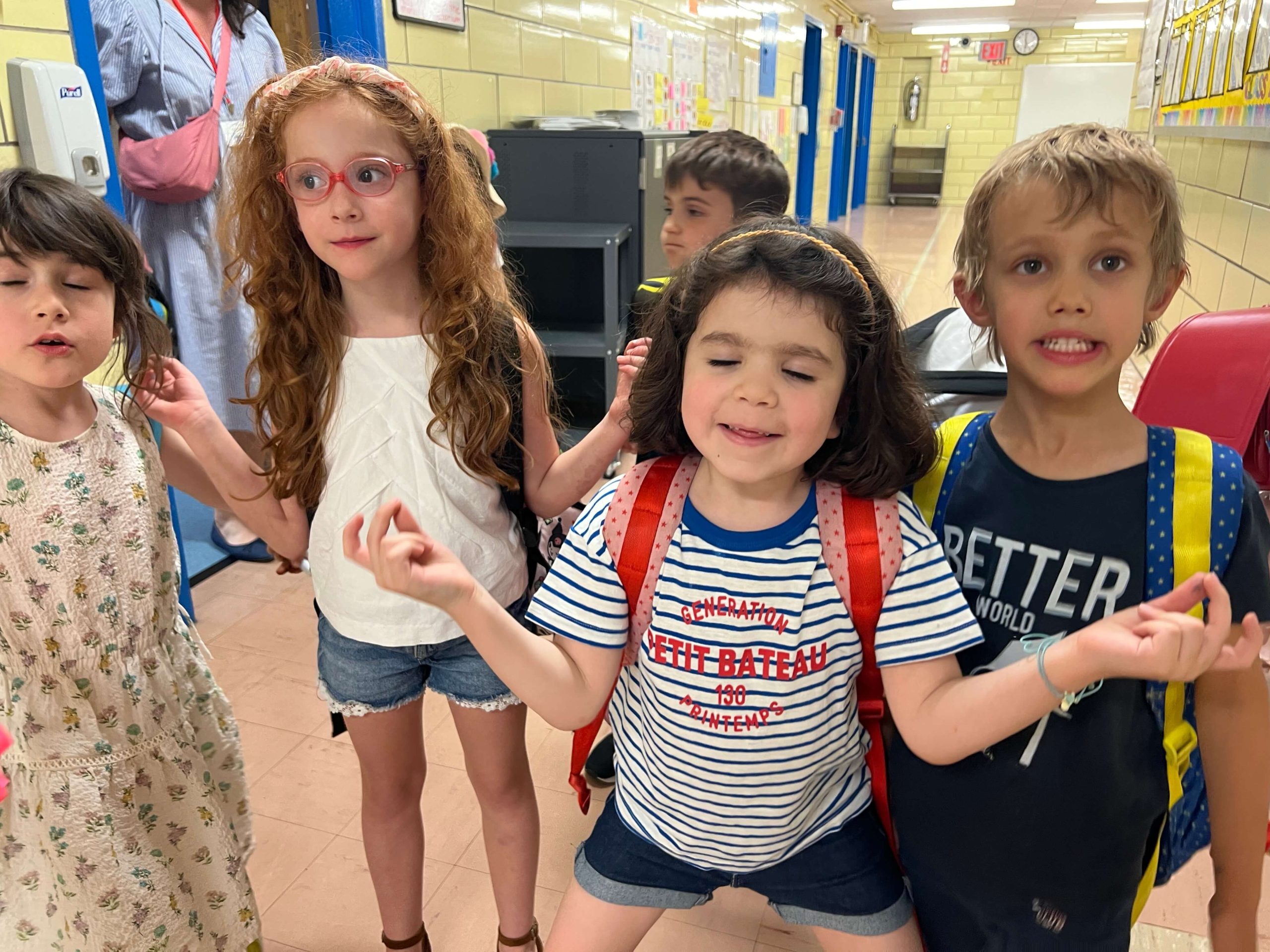
A central theme of the guided meditation is the experience of inner calm and safety.
Children are invited to imagine a bright white light moving toward the heart, bringing feelings of wisdom, peace, and protection. As the meditation continues, that light grows brighter and expands outward like a protective shield.
Visualization can make mindfulness more accessible and engaging for children because it gives them something meaningful to picture.
The image of an inner light can become a gentle reminder of strength, peace, and inner resources. Rather than looking outside themselves for every answer, children are encouraged to recognize the calm, awareness, and wisdom they can practice connecting with inside.
Connecting the Breath, Heart, and Mind
As the meditation continues, children are guided to notice the heart.
They are invited to breathe deeply and, if they can, feel their heartbeat.
This creates a beautiful moment of body awareness.
For a child, noticing the heartbeat can be a simple way to experience mindfulness directly. The focus moves away from yesterday’s worries or tomorrow’s possibilities and toward something happening in the body right now.
The meditation encourages children to experience the heart, mind, breath, and inner light as connected sources of awareness.
This can support an important message for children:
You can listen inward. You can notice what you feel. You can pause before you respond.
What Happens When Worries or Thoughts Appear?
One of the most valuable lessons in mindfulness is that thoughts are allowed to appear.
During meditation, a child may suddenly think about breakfast, school, a friend, a game, a mistake, or something they are worried about. That does not mean they are doing the meditation incorrectly.
The practice gently reminds children that when thoughts arise, they can return their attention to breathing.
This is an important skill because mindfulness is not about forcing the mind to become empty. It is about noticing when attention has wandered and practicing the return to the present moment.
Again and again.
With patience.
Without judgment.
Creating the Day with Positive Intention
Later in the morning meditation, children are invited to think about the day ahead.
What would they like to do today?
Is there something they hope to accomplish?
Something fun they would like to experience?
A project they want to finish?
Schoolwork they want to approach with confidence?
This part of the meditation introduces positive intention-setting for children in a gentle and age-appropriate way.
Rather than beginning the day only by reacting to schedules and responsibilities, children are encouraged to imagine themselves participating in their day with purpose.
They can picture themselves completing a task, approaching schoolwork with confidence, showing kindness, trying something new, or simply having a good day.
The goal is not perfection. It is helping children recognize that they can meet the day with awareness and intention.
Recognizing Strength, Kindness, and Resilience
Children often hear reminders about what they need to do:
Hurry up.
Finish your homework.
Remember your lunch.
Be careful.
Pay attention.
A mindful moment can offer something different.
It can invite children to recognize what is already within them.
The guided meditation encourages children to acknowledge their blessings, beauty, resilience, wisdom, kindness, and patience.
These are meaningful qualities to nurture because confidence is not only about achievement. A child’s sense of self can also grow through recognizing their capacity for kindness, patience, courage, awareness, and resilience.
A mindful morning can become a space where children remember that they are more than a grade, a performance, a difficult moment, or a mistake.
A Simple Morning Mindfulness Routine for Families
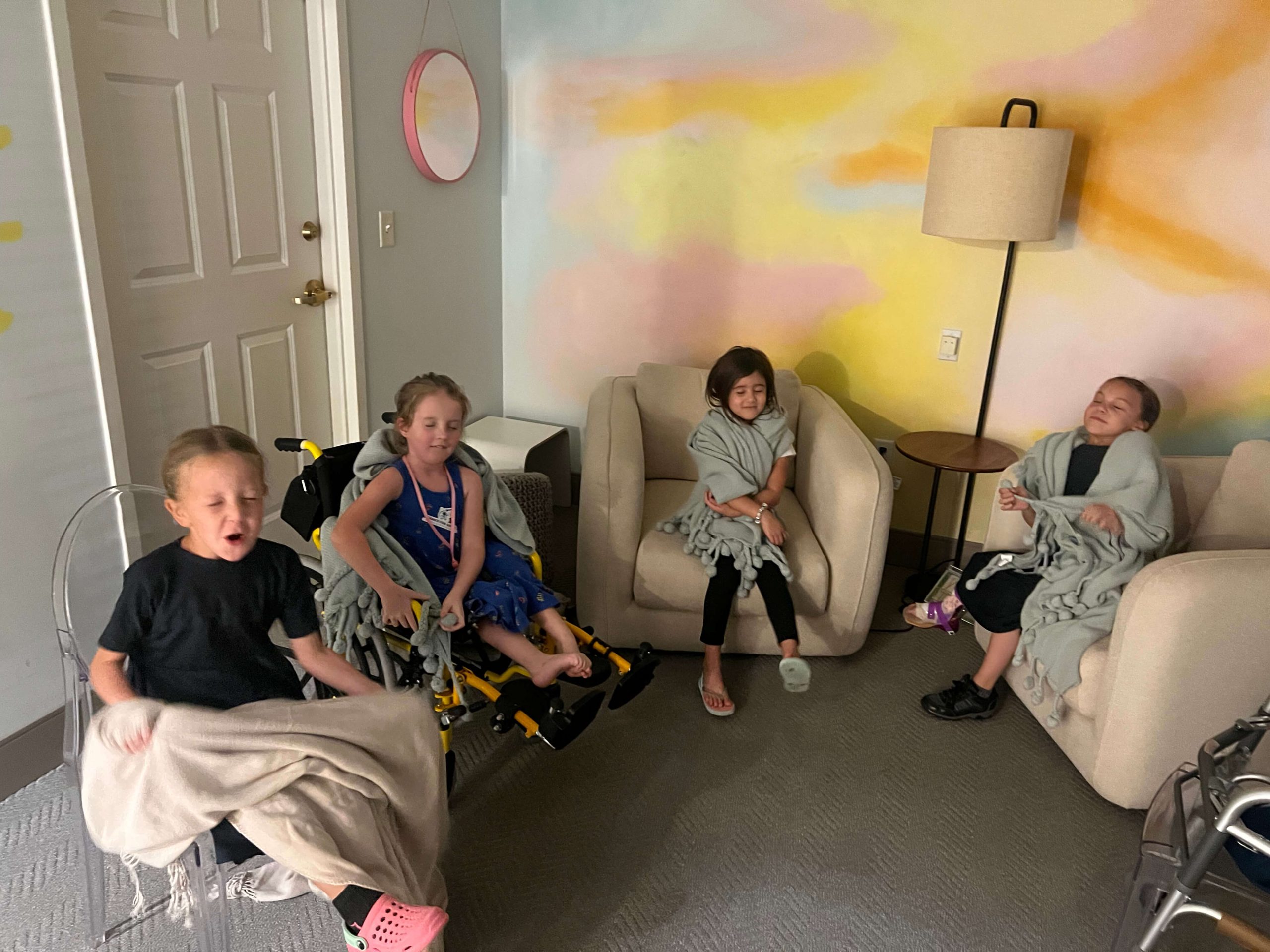
Families do not need a complicated routine to introduce mindfulness at home.
Try this simple practice:
- Find a comfortable position and allow the body to settle.
- Take a slow breath in through the nose.
- Exhale gently through the mouth.
- Notice how the body moves with each breath.
- Place attention on the heart or heartbeat.
- Imagine a warm, bright light growing from within.
- Think of one positive intention for the day.
- Take one final deep breath before beginning the morning.
This can take only a few minutes.
On days when there is more time, children can follow a longer guided meditation and allow themselves to settle more deeply into the experience.
For Parents: Let Mindfulness Be an Invitation
Children may respond to meditation differently from day to day.
One morning, a child may sit quietly for several minutes. Another morning, they may move, fidget, ask questions, open their eyes, or lose focus.
That is okay.
Mindfulness does not need to become another task a child feels pressured to perform perfectly.
Parents and caregivers can help by keeping the experience gentle. Instead of focusing on whether a child stayed completely still, notice the small moments of participation.
One conscious breath matters.
One moment of noticing matters.
One return to the present moment matters.
Consistency can be more meaningful than perfection.
For Educators: Creating a Mindful Start to the School Day
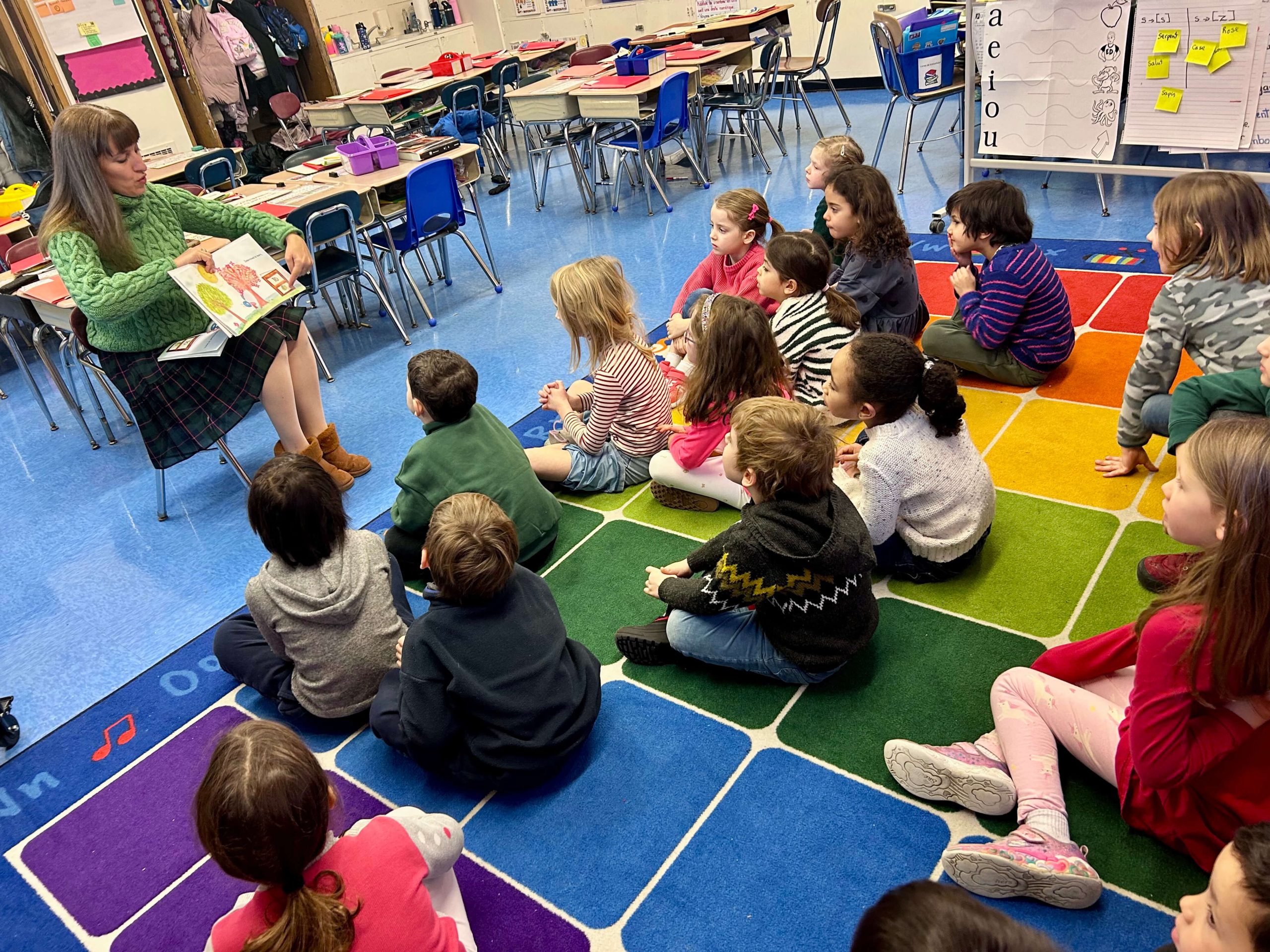
Morning mindfulness can also become part of a classroom routine.
A short guided practice may offer students a transition between arriving at school and beginning academic work. Teachers can invite students to sit comfortably, notice their breathing, feel their feet on the floor, or choose one positive intention for the day.
The practice does not need to be long.
A brief moment of mindful breathing can create space for students to arrive mentally and emotionally before moving into lessons, activities, and classroom expectations.
Mindful V supports children, families, educators, and schools with mindfulness resources designed to nurture emotional wellbeing, resilience, and healthier communities.
Try This Morning Meditation for Kids
If your child, family, or classroom is ready to explore a longer guided practice, this 15-minute morning meditation for kids offers a gentle journey through:
- Deep breathing and relaxation
- Present-moment awareness
- Calm and peaceful reflection
- Positive visualization
- Heart-focused awareness
- Confidence and inner strength
- Responding to worried thoughts
- Positive intention-setting
- Recognizing resilience, kindness, and wisdom
Children are guided to breathe, connect with their hearts, imagine their inner light, and approach the day with greater calm and purpose.
Listen the Morning Meditation for Kids and begin the day with a few intentional moments of calm, confidence, and connection.
Every Child Deserves Access to Mindfulness
At Mindful V, our mission is to educate, empower, and inspire.
We believe every child deserves the opportunity to develop tools that support confidence, kindness, emotional resilience, and self-awareness. Through guided meditations, digital resources, school programs, and community initiatives, we work to make mindfulness more accessible to children, families, and educators.
Free resources can reach a child at home.
They can support a parent searching for a calmer routine.
They can help an educator introduce a mindful moment in the classroom.
And they can give children simple practices they may carry with them as they grow.
Help us keep mindfulness free for every child.
Your support helps Mindful V continue creating free guided mindfulness practices, digital resources, educational materials, and programs for children, families, and educators.
Donate today, get envolved and help bring mindfulness to more children, one breath at a time.