Every parent, teacher, and caregiver knows the feeling. You spend days planning a special trip, setting up a fun afternoon, or simply promising a treat. Then, out of nowhere, life happens. The weather turns bad, a venue suddenly closes, or a favorite toy breaks.
In a fraction of a second, excitement turns into tears, anger, and absolute meltdown mode.
For young children, unexpected change is not just a minor bump in the road, it feels like their entire world has collapsed. But what if these frustrating moments are actually the best opportunities we have to teach our children life-long resilience, emotional control, and self-confidence?
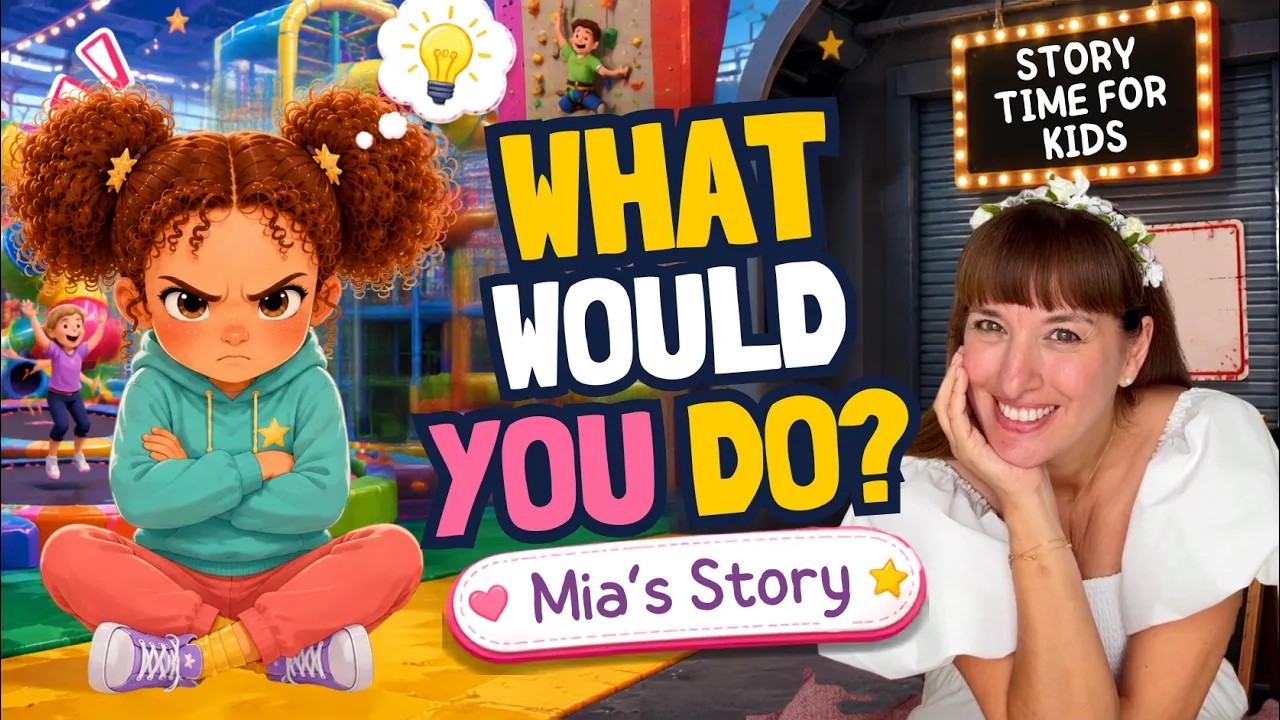
In the newest video from Mindful V, we dive into an interactive story about a girl named Mia who faces a massive weekend disappointment. Instead of just telling kids what to do, the video takes them on a journey where they help solve the problem themselves.
Below, we explore why big changes trigger such intense reactions in growing minds, how mindfulness turns emotional chaos into calm, and how you can use simple tools at home or in the classroom today.
Why Big Changes Cause Big Meltdowns in Children
To help a child manage frustration, we first need to understand what is happening inside their head when things go wrong.
When children look forward to an event, like a Saturday outing or playing outside, their brains create a bright, detailed picture of that future. They invest real emotional energy into that idea. When plans suddenly change, that internal picture vanishes in an instant.
       [ Expected Plan ]
               │
               ▼ (Sudden Change)
  [ Mental Picture Broken ]
               │
               ▼
   [ Feeling Out of Control ]
               │
               ▼
[ Emotional Meltdown / Outburst ]
Because young children are still developing the area of the brain that manages logic and self-control, they cannot quickly adjust on their own. The feeling of losing control triggers a natural “fight or flight” response. That is why we see common behaviors like:
-
Stomping feet or crossing arms
-
Screaming, crying, or throwing items
-
Shouting statements like “It’s not fair!” or “This is the worst day ever!”
Telling a child in this state to “just calm down” rarely works because their brain feels unsafe and out of control. They need a simple, physical tool to bridge the gap between emotional overload and peaceful problem-solving.
The Mindful V Approach: Turning Setbacks into Strength
Mindfulness is not about suppressing bad moods or forcing children to smile when they are sad. It is about giving kids permission to feel their real emotions while teaching them that they have the internal power to choose what happens next.
In our latest video, we introduce kids to three foundational ideas that change the way they view disappointing moments:
+-------------------------------------------------------------------------+
|                    THE MINDFUL V THREE-STEP FRAMEWORK                  |
+-------------------------------------------------------------------------+
| 1. FEEL IT FIRST      ──► Give room for sadness or anger to pass.       |
| 2. CHECK YOUR HANDS   ──► Separate what you can control from what you can't.|
| 3. TAKE A RESET BREATH──► Clear your mind to spot new opportunities.    |
+-------------------------------------------------------------------------+
1. Disappointment Is Normal and Okay
Before children can move past a bad mood, they need to know that feeling upset is completely normal. When we validate their sadness instead of rushing to fix it, kids learn that emotions are just temporary waves. Once the wave passes, calm naturally returns.
2. The Inner World vs. The Outer World
One of the most powerful visual lessons in our video teaches kids to look at their hands:
-
One hand on the chest (The Inner World): This represents their thoughts, their breath, their actions, and their choices. This is the space they own and control.
-
One hand pointing outward (The Outer World): This represents everything outside of them—broken pipes, bad weather, closed stores, or someone else’s mood.
When kids realize they cannot force the outer world to change, they stop wasting energy fighting reality. Instead, they turn their attention inward to choose their own response.
3. The Power of the Deep Breath Reset
When a child is angry, their brain shuts out new ideas. Taking a deep breath through the nose and letting out a long sigh through the mouth acts like a reset button. It signals to the body that they are safe, allowing fresh ideas and positive attitudes to flow back in.
What Kids Learn by Watching the New Video
Rather than giving a lecture on good behavior, our newest episode uses interactive storytelling to make emotional regulation fun, memorable, and practical.
Here is a glimpse of what children experience when they watch:
| What the Video Offers | How It Helps Your Child |
| Interactive Questions | Kids get to pause, speak out loud, and share what they would do when faced with a huge surprise. |
| Relatable Characters | Following a child who goes through a real struggle helps young viewers see their own feelings reflected safely. |
| Guided Breath Exercises | The video guides viewers through real-time breathing techniques so they practice right along with the story. |
| Real-Life Scenarios | We test these newly learned skills with everyday examples like rainy days or sharing toys with siblings. |
                       [ Watch the Video ]
                                │
                                ▼
                    [ Practice Real Breathwork ]
                                │
                                ▼
              [ Connect Story to Daily Challenges ]
                                │
                                ▼
             [ Build Long-Term Emotional Resilience ]
Practical Ways to Reinforce Resilience at Home or School
Watching the video together is a fantastic starting point. To make these mindful habits stick long-term, try using these straightforward strategies during your daily routine:
A. Use Simple, Clear Phrases
When disappointment strikes, skip complicated explanations. Use short, grounding phrases that kids can easily remember:
-
“It is okay to feel sad that plans changed.”
-
“We can’t change the weather, but we can choose our next fun activity.”
-
“Take a deep breath with me and let’s find the surprise waiting for us.”
B. Practice the “Pause, Breathe, Choose” Method
Whenever a small conflict happens, like losing a game or getting the wrong cup color, walk through these three steps together:
-
Pause: Stop moving, close your eyes, and notice how your body feels.
-
Breathe: Take a deep breath in through your nose and let it out through your mouth with a big sigh.
-
Choose: Ask yourself, “What is one good thing I can do right now to make this moment better?”
C. Celebrate the “Plot Twists”
Reframe unexpected changes as exciting plot twists in an adventure story. When a plan falls through, say: “Looks like our original plan changed! What surprise adventure are we going to create instead?” This shifts a child’s mindset from feeling defeated to feeling curious and creative.
A Quick Printable Guide for Parents & Teachers
Save or write down these four steps to use whenever big feelings take over your space:
==========================================================================
                     MINDFUL V DISAPPOINTMENT CHECKLIST
==========================================================================

[ ] 1. NAME THE FEELING
       Help them spot it: "You're feeling really disappointed right now."

[ ] 2. REMIND THEM OF CONTROL
       Place a hand on the heart: "You control what happens inside here."

[ ] 3. TAKE TWO RESET BREATHS
       Inhale deeply through the nose... Exhale completely through the mouth.

[ ] 4. LOOK FOR THE NEW OPPORTUNITY
       Ask: "What wonderful thing can we do instead?"
==========================================================================
Encouraging Words for Daily Practice
Help children memorize these daily affirmations to build a strong, positive inner voice:
-
“I am wise, calm, and in control of my choices.”
-
“I can feel sad and still choose to have a great day.”
-
“When one door closes, a brand new adventure begins.”
-
“My calm breath brings me back to my best self.”
Watch the Full Video Today
Reading about mindfulness is great, but seeing it in action makes all the difference for a child.
In our new Mindful Be video, your child will not just listen, they will participate, practice breathing, answer fun questions, and discover the exact moment Mia turns her terrible Saturday around into something even better than planned.
Whether you are a parent looking for smoother weekends or a teacher wanting practical emotional tools for your classroom, this video gives kids an engaging, easy-to-remember blueprint for handling life’s unexpected twists.
Watch, Like, and Subscribe!
Help your child build resilience, emotional strength, and positivity every single week.
Click play on our latest video, hit the subscribe button, and join the Mindful Be family today!
Don’t forget to drop a comment under the video to tell us: How does your family handle unexpected changes? We would love to hear your favorite tips!
All my Love,
Children’s Wellness Expert