Mindfulness for Teachers
Teaching is about far more than delivering lessons. Every day, teachers guide learning, build relationships, manage emotions, and create an environment where children can feel safe enough to grow. While lesson plans and classroom routines are essential, one of the most influential tools a teacher brings into the classroom is something much less visible, their presence.
Children naturally respond to the emotional environment around them. They notice whether the adults in their lives are calm, patient, and present. When teachers regulate their own emotions, they create the conditions for students to regulate theirs as well. This is why mindfulness has become such a valuable practice in education. It not only supports teacher well-being but also strengthens classroom management, emotional regulation, and social-emotional learning (SEL).
The encouraging news is that mindfulness does not require lengthy meditation sessions or major changes to your daily schedule. A few intentional moments throughout the school day can transform the atmosphere of your classroom.
In this article, you’ll discover three simple mindfulness strategies that teachers can begin using immediately.
Why Mindfulness Matters for Teachers
Teaching is rewarding, but it also places significant emotional demands on educators. Managing behaviour, supporting students with different needs, communicating with families, and meeting academic expectations can leave teachers feeling overwhelmed.
Mindfulness helps interrupt the stress cycle before it affects both teachers and students. When teachers take a moment to pause, breathe, and respond with intention, children naturally begin to mirror that calm behaviour.
Research continues to show that mindfulness supports:
- Improved classroom management
- Better emotional regulation
- Reduced teacher stress
- Increased student focus
- Stronger teacher-student relationships
- A more positive classroom culture
These benefits don’t come from adding more work to your day—they come from changing how you begin, navigate, and end each school day.
Strategy 1: Begin the Day with Intention
Before entering your classroom, pause for a moment. Take three slow breaths. Allow your body to relax. Then choose your intention for the day.
You might say:
- Today I choose patience.
- Today I choose kindness.
- Today I choose calm.
- Today I choose presence.
Setting an intention reminds your mind and body how you want to respond throughout the day, especially during challenging moments. Once students arrive, invite them to take three slow breaths with you before beginning the day’s learning. You can follow with simple affirmations such as:
- I am smart.
- I am capable.
- I can learn new things.
- Today is going to be a great day.
These simple practices establish a calm emotional foundation that supports learning from the very beginning.
Strategy 2: Reset the Classroom After Recess
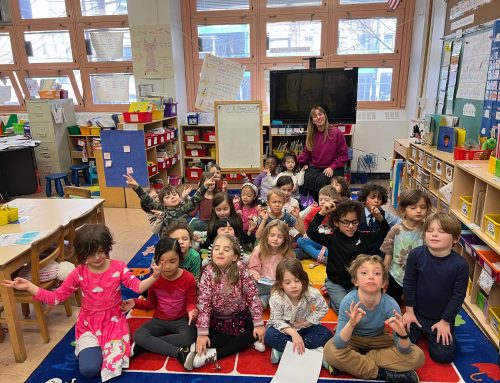
The transition from recess back into the classroom is one of the busiest moments of the school day. Children return excited, energetic, and full of movement. Instead of asking students to “calm down,” help them transition naturally. One effective activity is the Balloon Breath. Invite children to imagine they are inflating a giant balloon. As they inhale, they slowly raise both arms overhead. As they exhale, they gently lower their arms.
The combination of breathing and movement helps children regulate their bodies while maintaining the natural momentum of play. Rather than stopping their energy, you’re guiding it toward focus. Many teachers find this becomes one of the easiest and most effective classroom reset strategies they use.
Strategy 3: End the Day with Gratitude
The final minutes before dismissal often become hectic. Students pack their belongings. Questions come from every direction. Parents arrive. Instead of matching that energy, slow yourself first.
Speak more slowly.
Walk more slowly. Take one intentional breath. Then invite your students to reflect on one simple question:
“What is one thing you appreciate about today?”
Children can share aloud or quietly reflect. This gratitude practice helps students leave school feeling emotionally settled while allowing teachers to end the day with greater peace as well.
Small Mindful Moments Create Lasting Change
Mindfulness is not about perfection. Every classroom experiences busy days and unexpected challenges. The goal is not to eliminate those moments but to develop healthy ways to respond to them.
Three intentional breaths before class. A Balloon Breath after recess. A moment of gratitude before dismissal.
These small practices require only a few minutes, yet they help create a calmer classroom where both teachers and students feel supported, connected, and ready to learn. When mindfulness becomes part of your classroom routine, emotional regulation becomes part of your classroom culture.
Support Children’s Emotional Well-Being with Mindful V
At Mindful V, we believe every child deserves the opportunity to develop calm, confidence, compassion, and emotional resilience.
Our mission is to provide teachers, parents, and schools with practical mindfulness tools that support children’s emotional well-being both inside and outside the classroom.
Continue Learning
Explore more than 300 free mindfulness videos for teachers, parents, and children on the Mindful V YouTube channel.
Visit www.mindfulv.org to discover guided meditations, classroom resources, emotional wellness programmes, and educational tools designed to support children and families.
Support Our Mission
Mindful V is a 501(c)(3) nonprofit organization committed to making mindfulness accessible to every child. Your support helps us provide free resources, expand our school programmes, train educators, and bring emotional wellness to more classrooms around the world. Get Involved!
Together, we can help every child grow with calm, confidence, and compassion.
All my love,
Veronica Moya